Accessibility & Assistive Technology
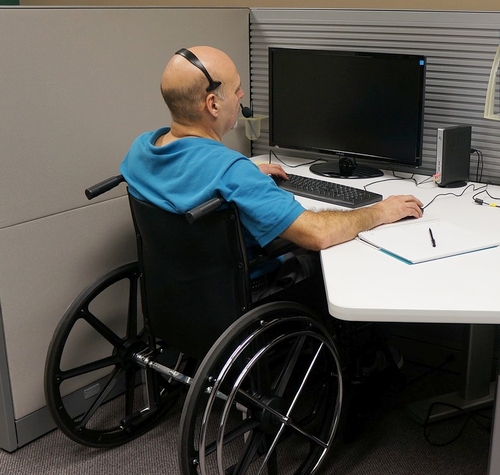
Accessibility refers to the extent to which the design of products, devices, services or environments allows all users to engage, whether users have a disability, no disability or another kind of need or preference. Assistive technology refers to the tools which can enable users with different abilities and needs, including a wheelchair to get around, software that reads text on screens, alternative colour schemes and other supportive design and devices that can keep the digital world inclusive.
An aspect of Digital Literacy is to be aware of these tools and technologies. If you rely on assistive technology for access to digital resources you will already be using these to take this course, and if you don't, you may be unaware of what's out there and that many of these tools can be useful to anyone as part of our changing digital world.
Windows and Apple/Mac systems and smartphones all come with inbuilt tools that can make using them easier for a variety of needs. For more information:
More information on Accessibility and Assistive Technology:
For more information about accessibility and assistive technologies at your institution please visit:
- [Link to appropriate support]